Crafting Performance: From Gym to Trail with FMD Racing
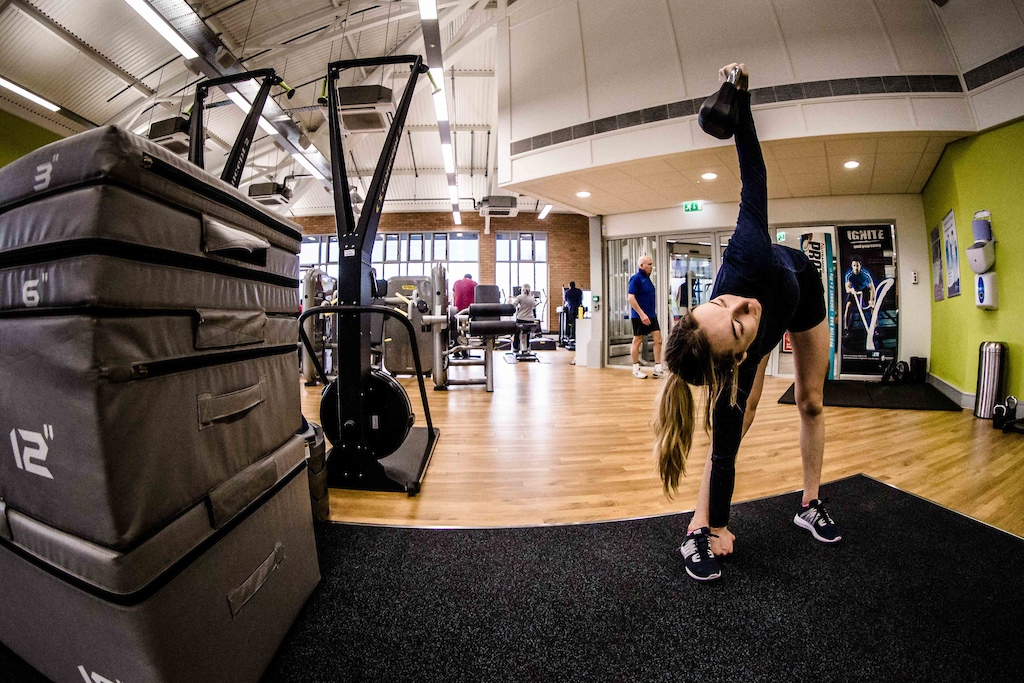
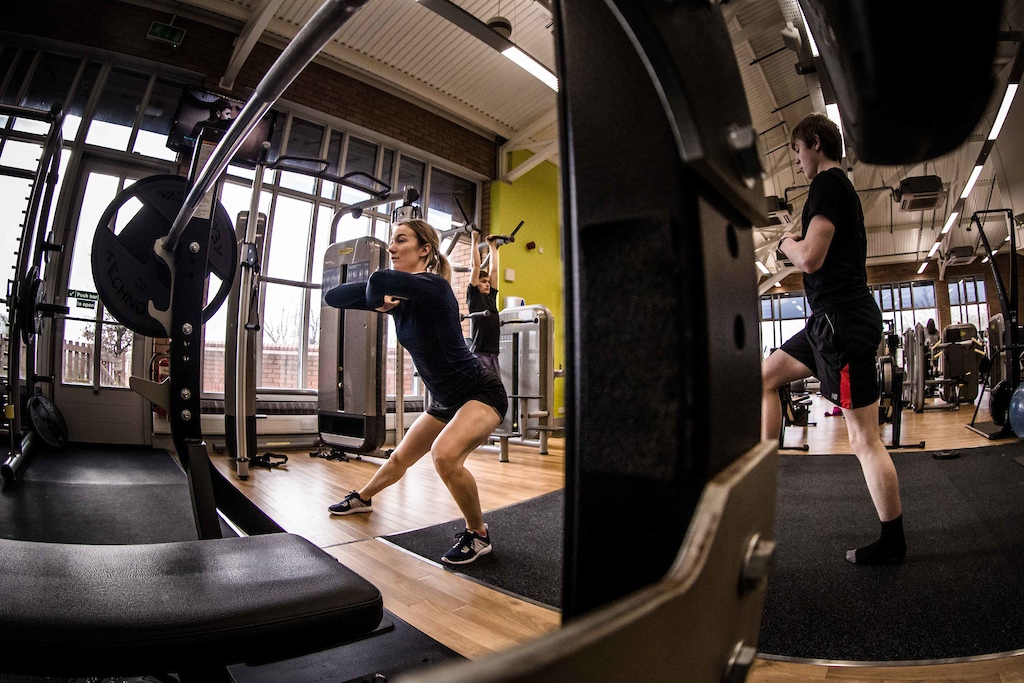
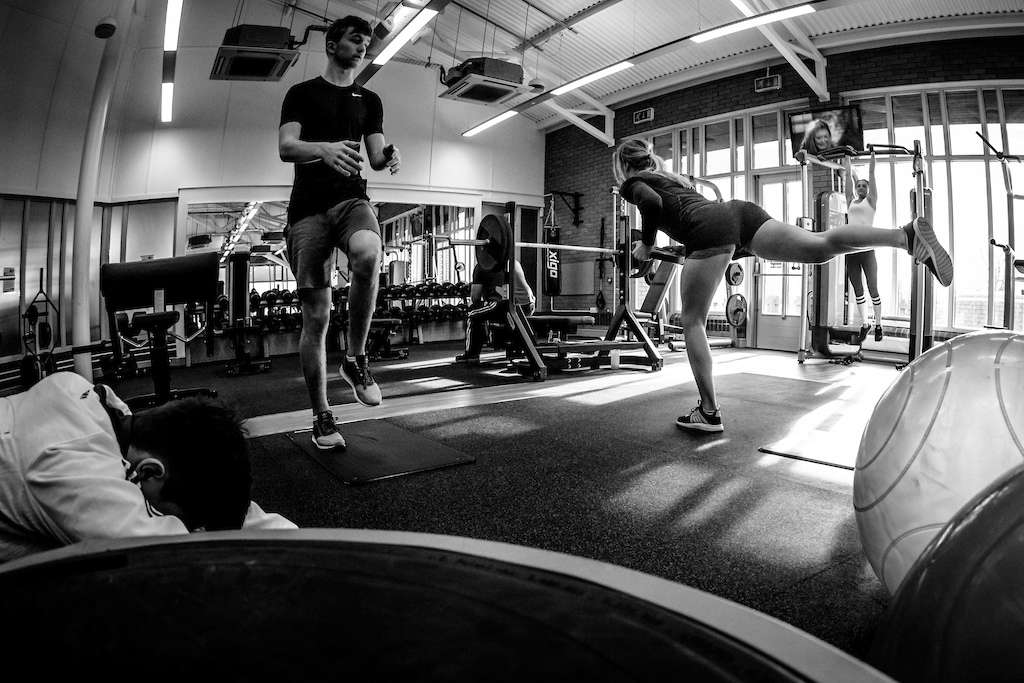

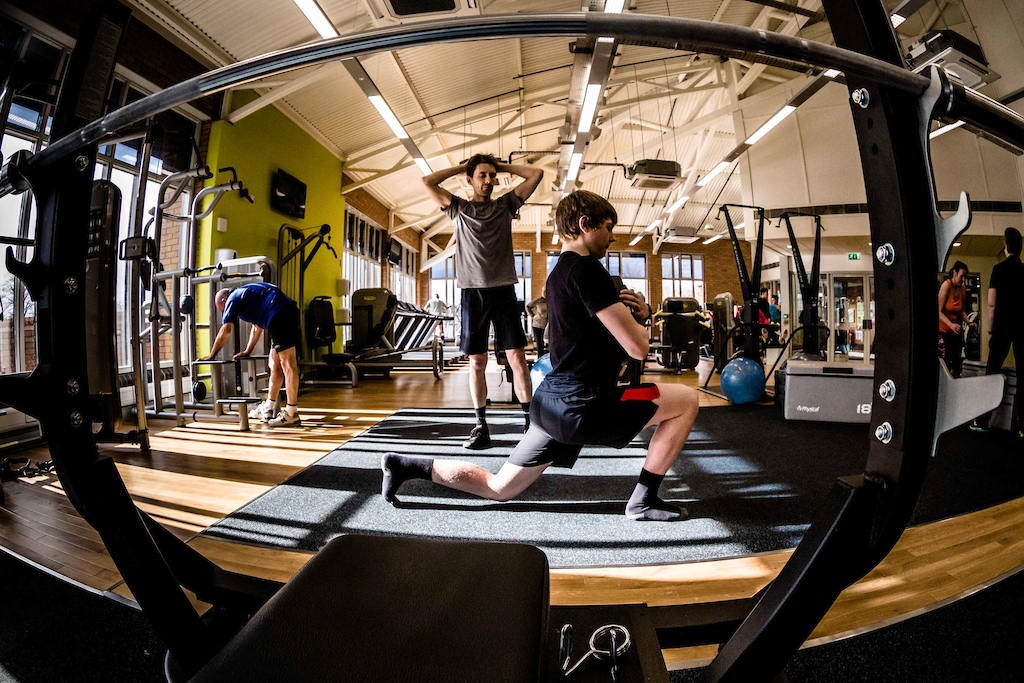
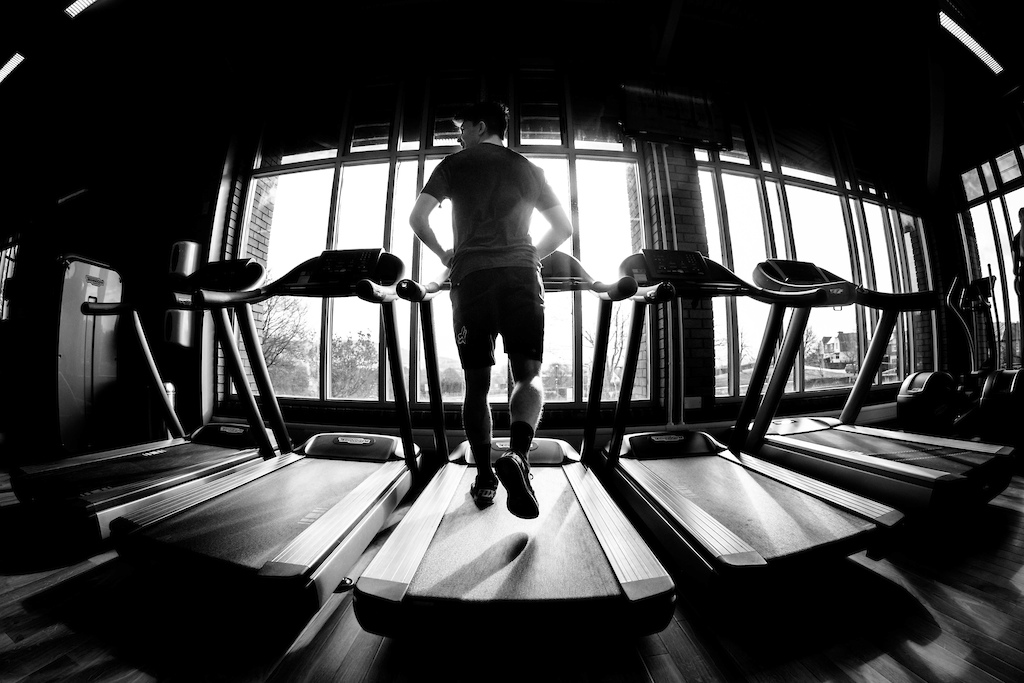
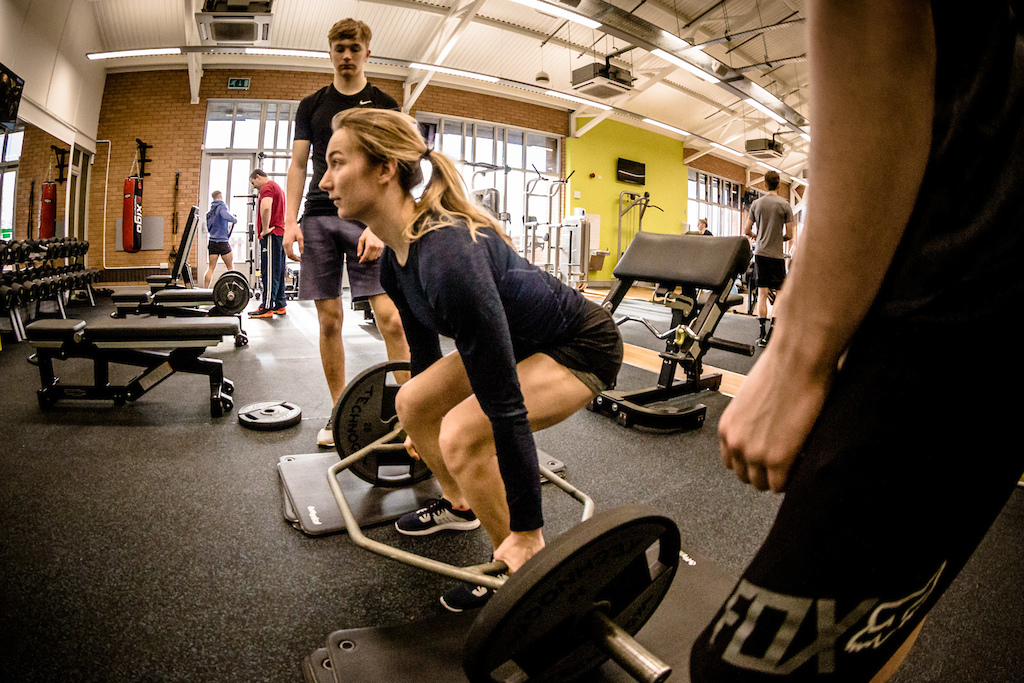
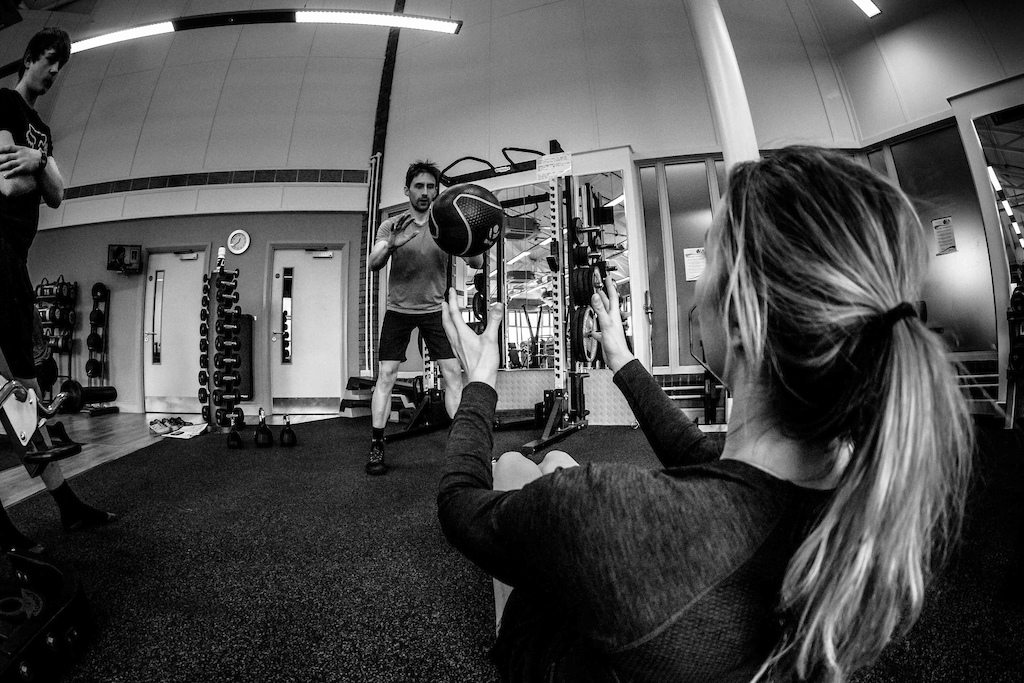
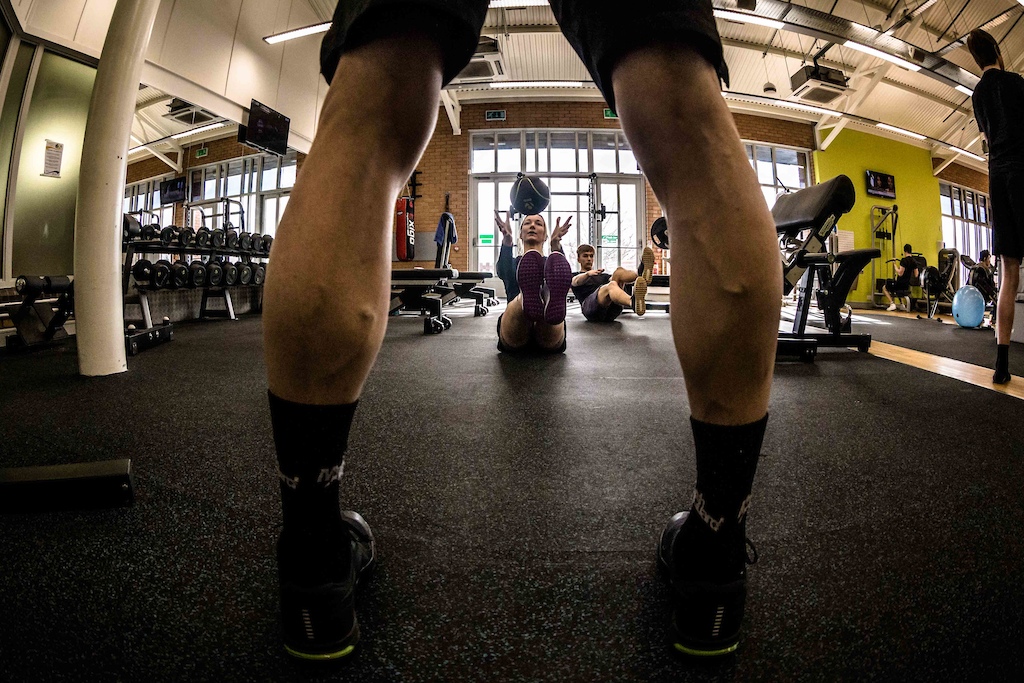
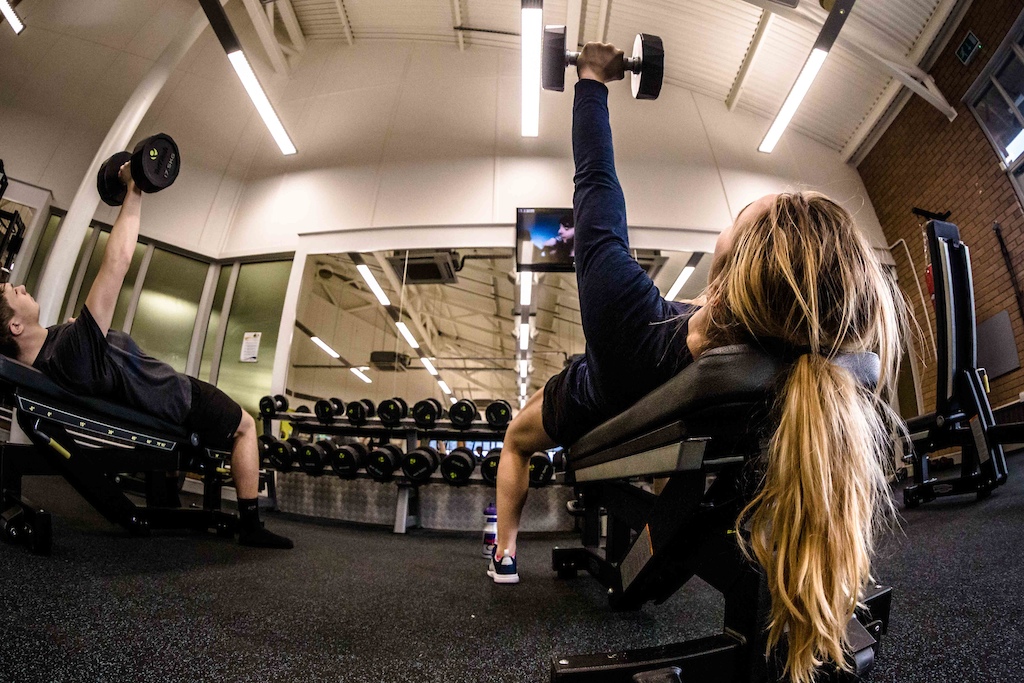
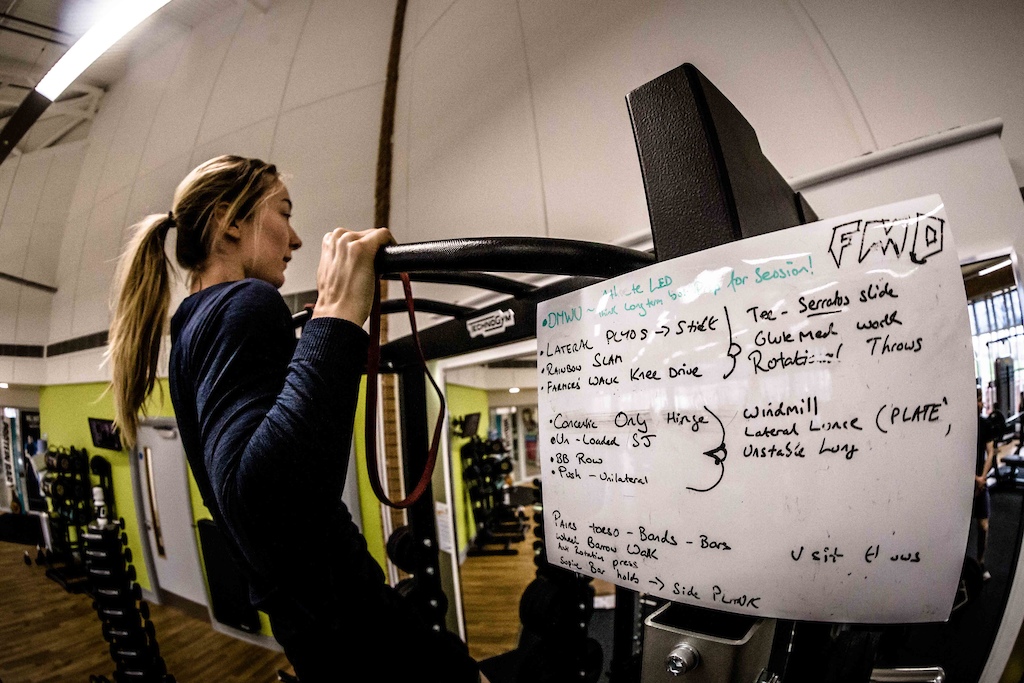
Shoulder health and performance are one and the same and a price component of the downhiller's physical potential. The shoulder joint when not working optimally will not transfer force from lower body to the bars and vice-versa. Leaving the rider in a situation where slowly but surely their brain and body will begin to perceive the trail differently as the 'system' knows the shoulders will not do their job optimally.
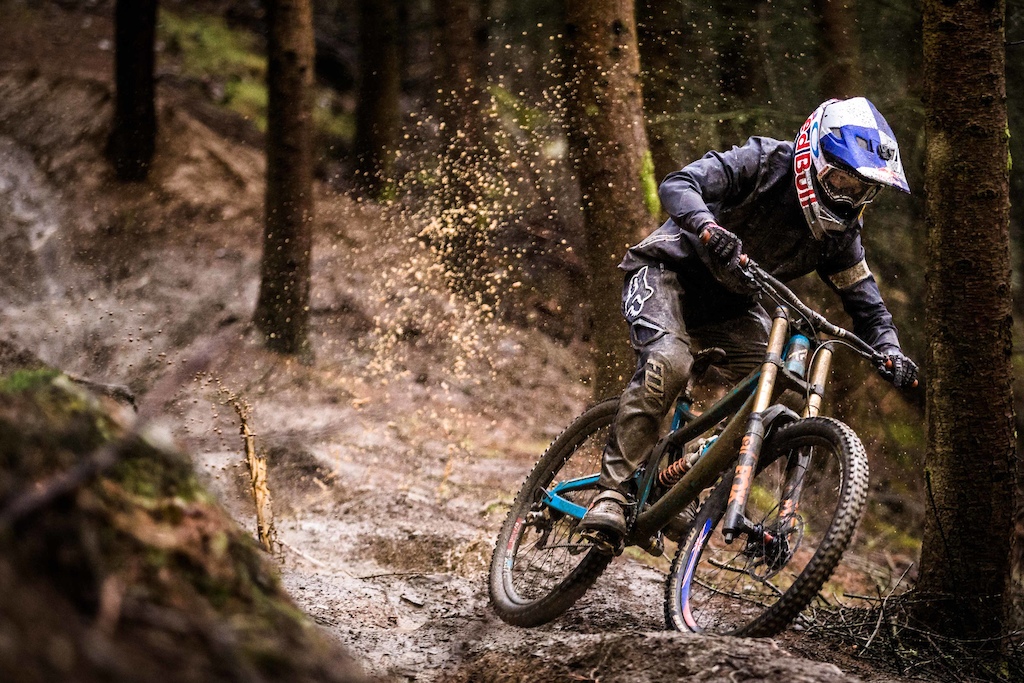
What goes on behind the scenes during a long winter's preparation for a DH World Cup rider?
A question asked often but seldom answered. Certain things in downhill have changed a lot the last decade. Physical preparation is one area that has now been embraced by all, wholeheartedly so that it's integrated into the sports culture so seamlessly that 'liking' a picture of your favourite rider in the gym, barbell loaded, glutes tight and chest up happens as automatically as dropping that 'like' on the latest #wheeliewednesday post!
However, this wholesale acceptance of barbell, med-ball, deadlift and squat has created a gap - a gap between physical preparation and technical execution. Known to coaches as "Transfer." An eternally challenging coaching problem. How do we transfer training gains made in the gym or even on a road bike to the sport itself? Realistically there is no clear answer. The outsider or on-looker with some knowledge of training and racing may assume science has the answer; but the reality is different, the complexities of sports performance are vast. Science provides us with tools to investigate and a method of inquiry that will help drive better coaching and racing decisions, but transfer of training from gym floor to mountain top can only happen through long-term effort. Hard and smart work. Fine tuning.
That reality is pretty self-evident once you’re within the performance playground. A coach is an artisan, a craftsman, not a scientist. You chef, not cook, build recipes not follow them. Blending scientific skills with the 'soft' skills of coaching a person, the human. The deeper you get into that realisation that the human 'spirit' (a mixing pot of emotions, feelings, beliefs and experience) trumps all in determining performance outcomes the better you then understand the relationships that create consistent performance. Relational thinking trumps categorical - always; cause and effect assumptions are one of coaching's greatest challenges. If we complete action A do we always get result B? While the answer to that is not quite black and white, the short answer to that question is no. A does not always cause B!
Keeping the mind open and your vision wide lets us see the interaction and relationships between everything the athlete does and doesn’t do. Abusing science when needed and applying a little emotional intelligence peppered with hard fought and reflected upon experience to all problem solving usual provides athlete and coach with the solutions needed to continue to deliver effective training.
Downhill World Cup is a beast; the complexities of performance are monstrous. The minute interaction between variables, tangibles, and intangibles! Bike, set-up, suspension, tyres, rider, emotions, cognitive abilities, the crowd, the changing dynamics of the course, the riders changing physiology, their movement mechanics, their desires, fears and goal setting strategies...the list of potential performance variables is more monstrous than the courses themselves. So how is training planned to adequately prepare the athlete's for these demands and most importantly transfer that physiological potential built in the gym to the race track?
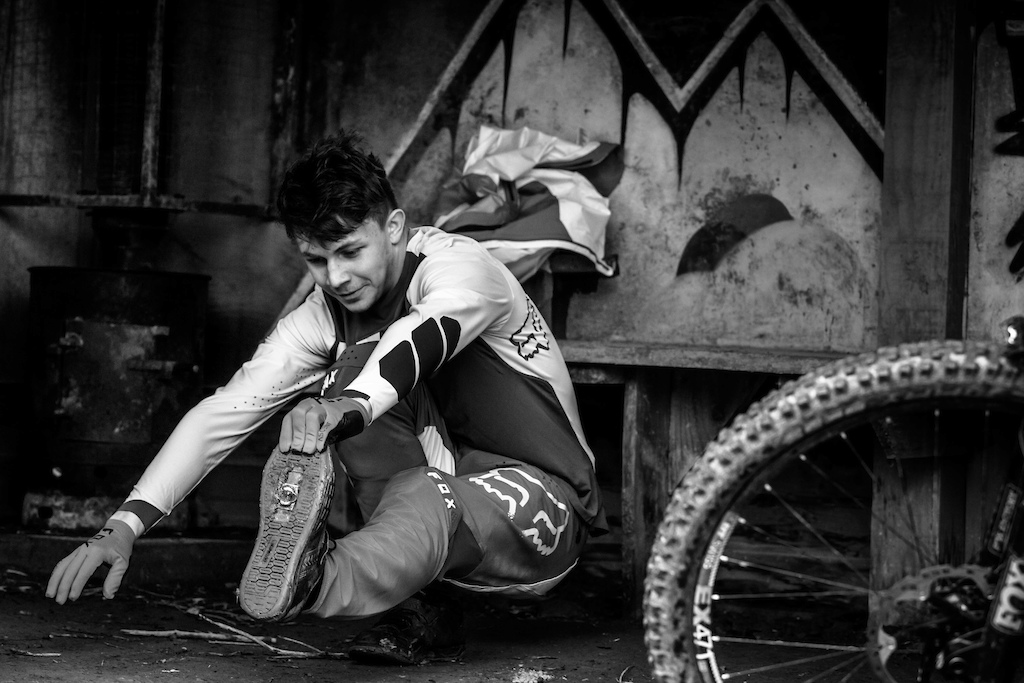
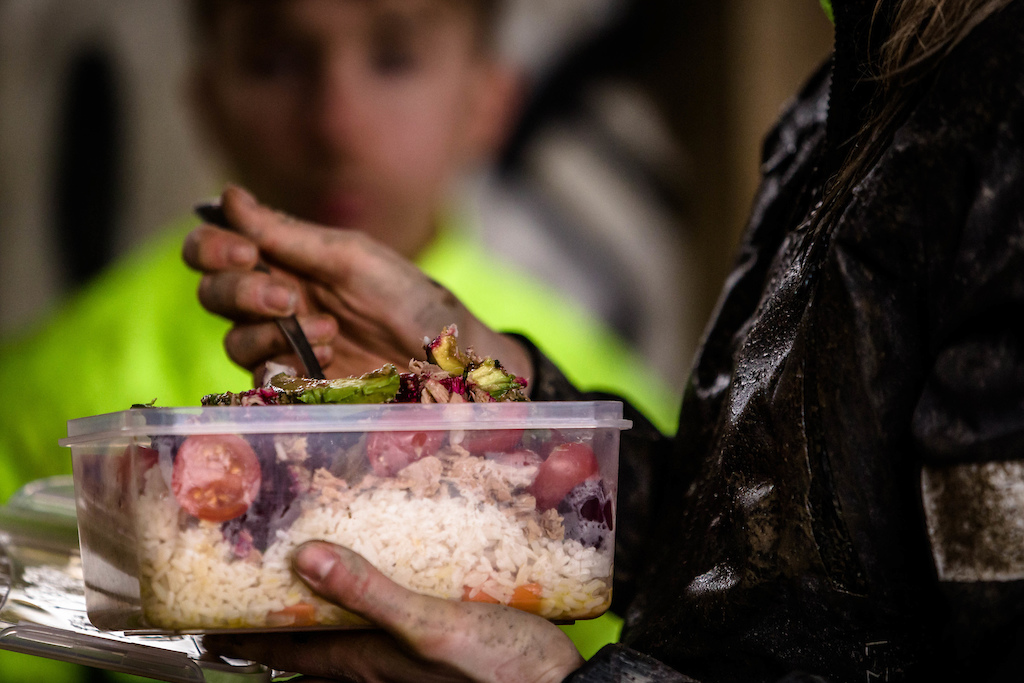
Well, for all the above bluster it often turns out quite simple, at least on the surface. Underneath that simple exterior, the subtleties of creating an environment for athlete learning and training transfer are well planned but easily adapted. Athlete-driven, coach led! Scroll on for some insight into how a very wet Welsh day at Revolution Bike Park, Llangynog helped training transfer for FMD Racing.
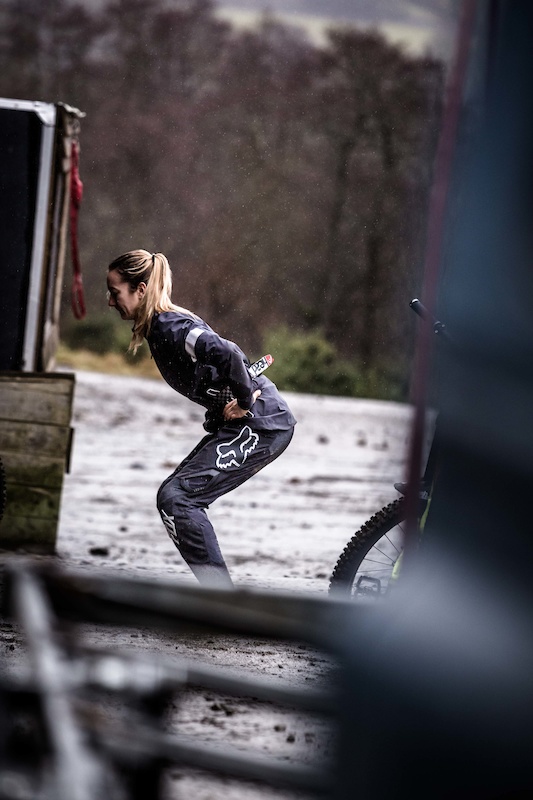
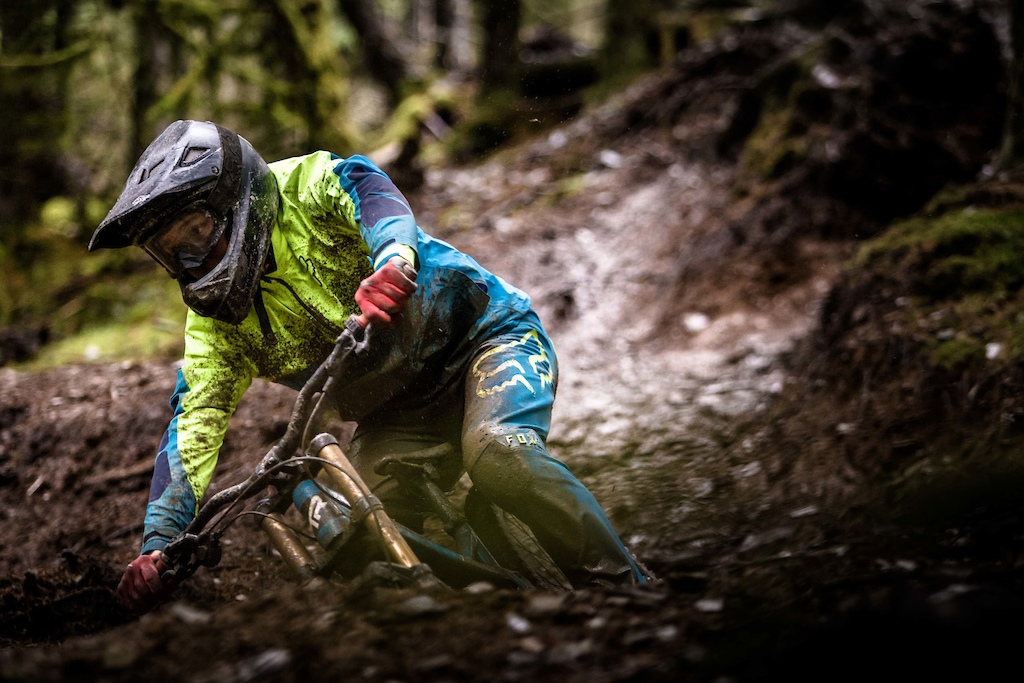
Every riding session starts with a dynamic warm up, aided passively by plenty of layers of clothing. More often than not a rider would choose to do 2 to 4 'warm up' runs to start the day off, feel out the conditions, make sure the bike works and most importantly fire up all the connected systems within the body so riding feels fluid and effortless. This particular session had some fatigue test benchmarking. To see how the lower body reacts to and deals with multiple punishing runs at Revolution Bike Park. A not so big hillside in Wales that demands plenty from bike and body.
0% Loaded
1/6
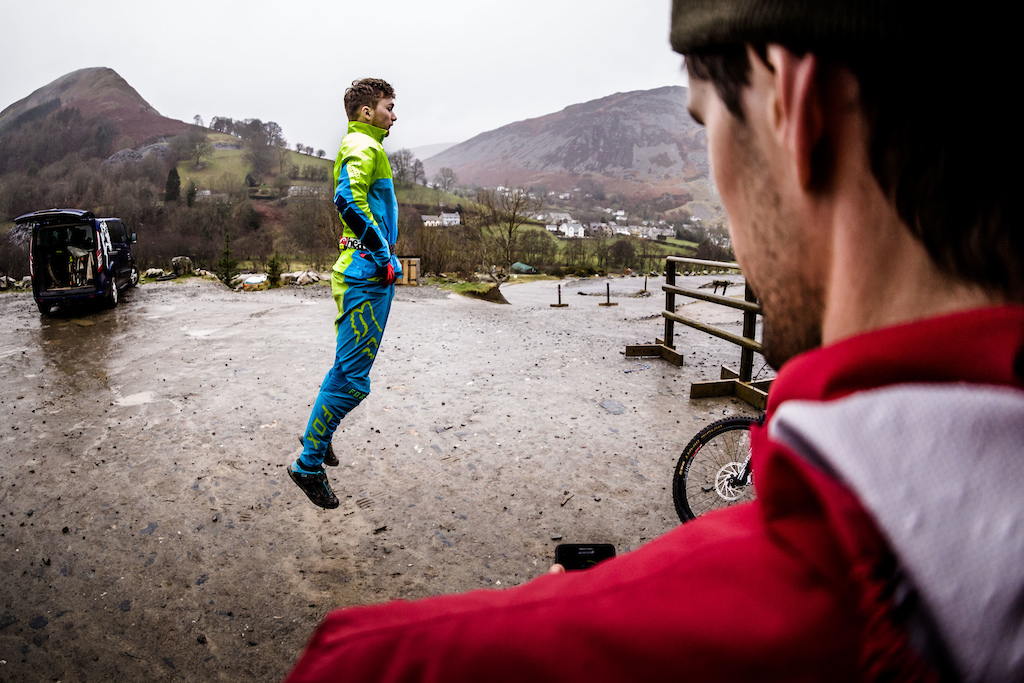
Test what matters not what's easy to test; post warm up, pre-ride jump testing. With such a wealth of similar data from the gym, we can start to piece together a clear picture of how riding DH with World Cup style demands creates fatigue and whether that fatigue is short or longer term in nature. Allowing for better decision making in all aspects of the performance puzzle.
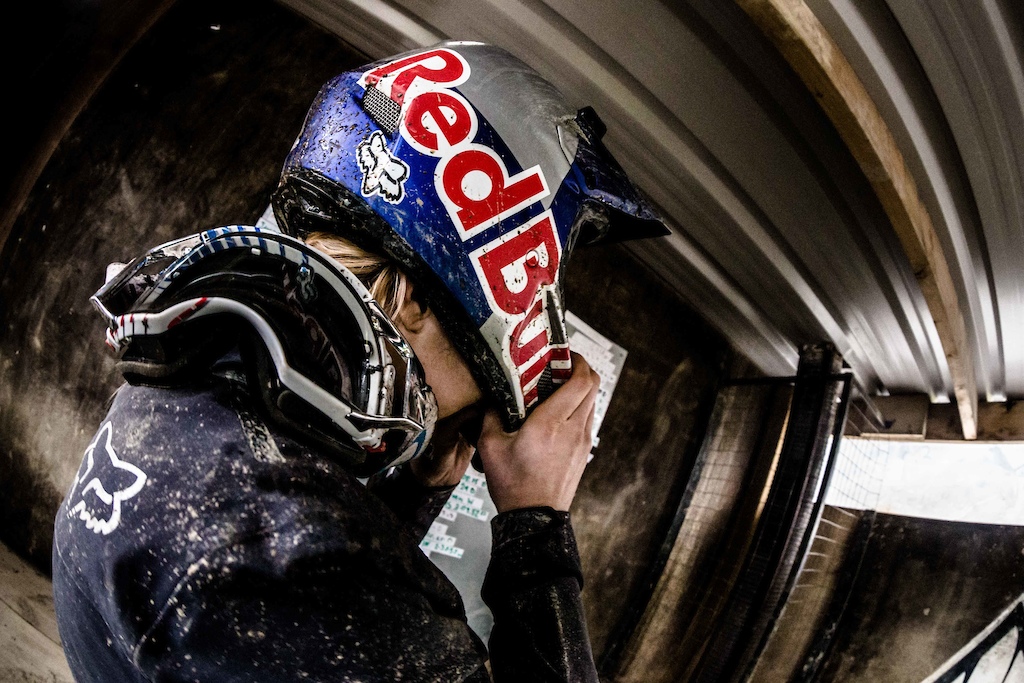
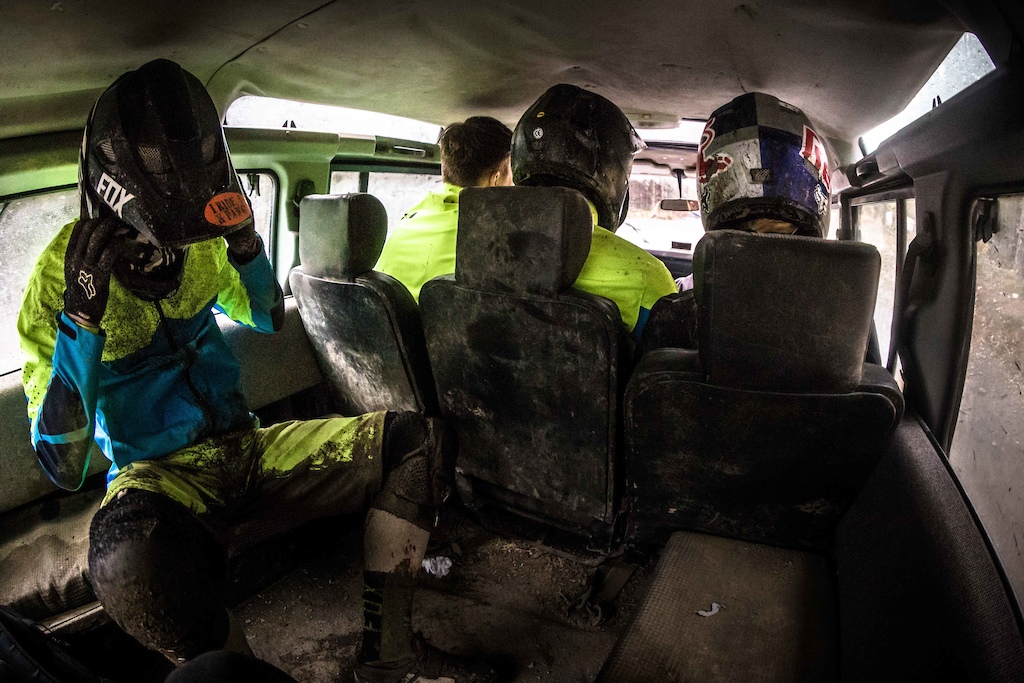
Staying warm between runs while still resting enough to perform at or near maximum each run is a challenge during the winter. A well trained aerobic system goes a long way to helping make the most of both the quick turnaround between runs as well as the sudden change of intensity each run brings. Preparing for the demands of World Cup DH means being able to complete multiple high quality runs back to back during practice as well as staying fresh enough to lay it all out for one wild one come Sunday. Getting to race day prepared but fresh to execute is key.
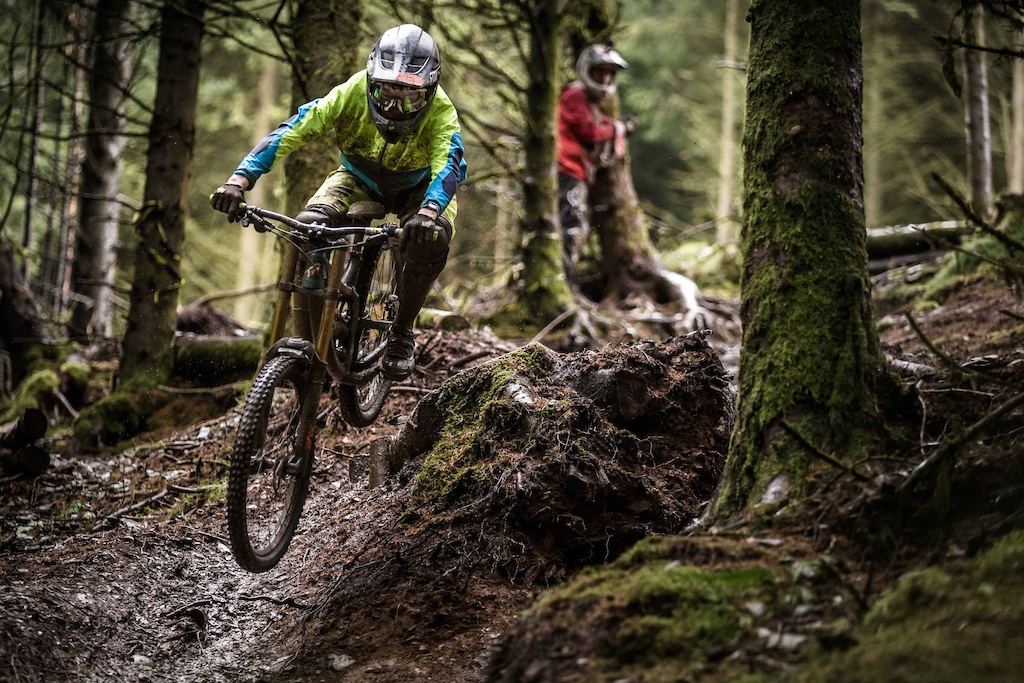
Once warm up runs were done I took the opportunity to watch the riders through a pretty interesting section of trail. Steep, heavy braking on entry with lots of very small variations in line choice on offer. Video taken for head to head review, and to make sure the handheld stopwatch was as accurate as it often proves to be.
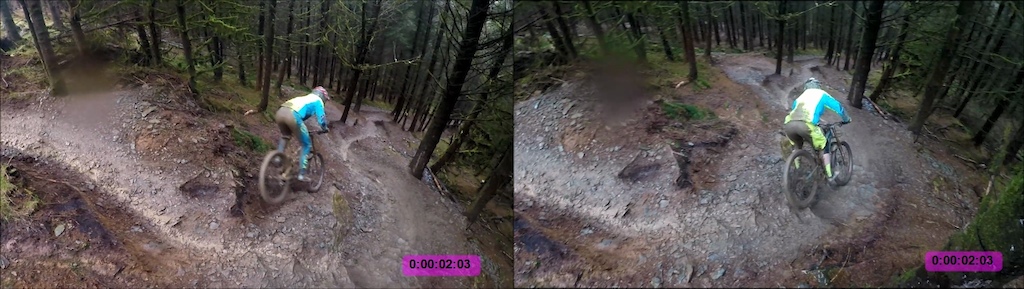
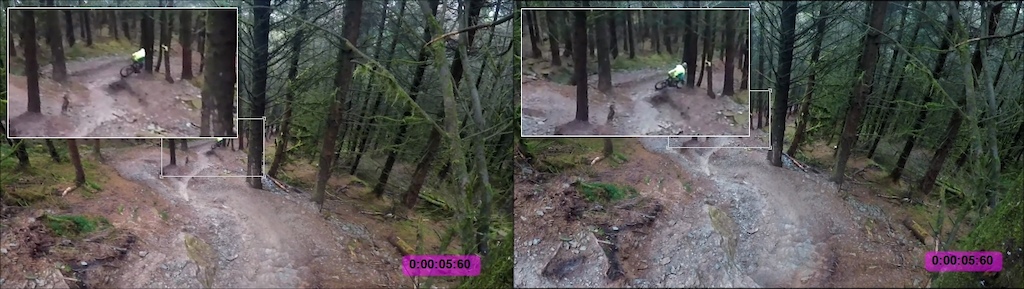
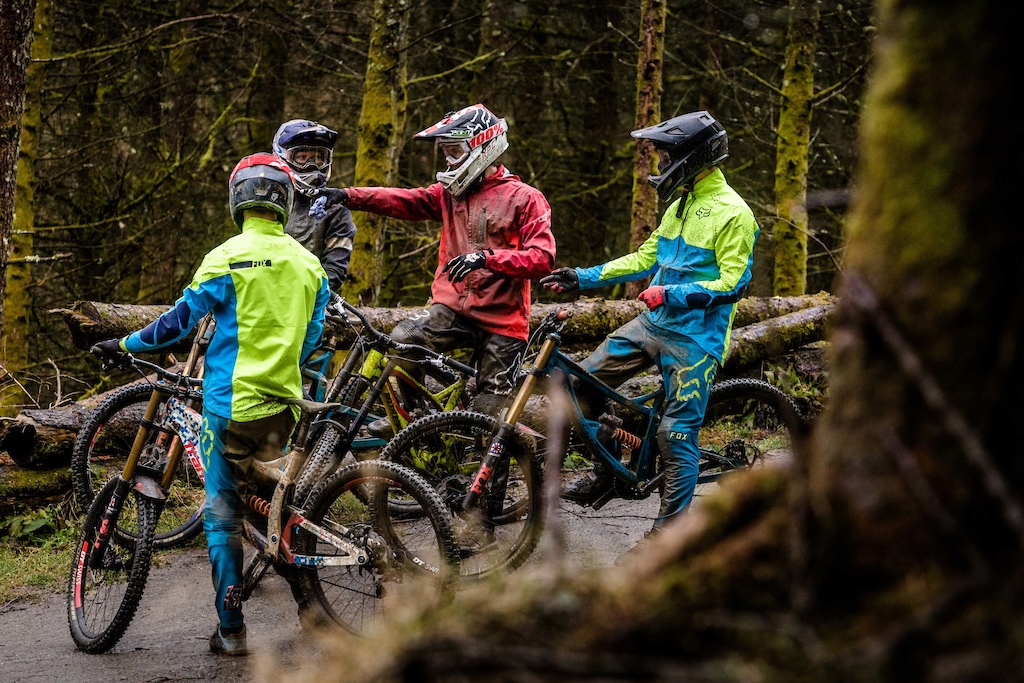
There is no "I say," "you do," in this sport. The rider takes all the risks and makes all the decisions when it counts come race day. So training reflects that. Facilitating change and learning is the main aim. Pushing the riders to the edge of their current bandwidths. Full runs while fatigued, athlete chosen mock race formats, deliberately creating an environment that will allow physiology to be pushed or mental strengths to be challenged. All of that is built on trust and empathy. So getting to ride a little with the athletes means we can chat about what needs to be done, changed or tried on the spot. Reading from the same hymn sheet so to speak.
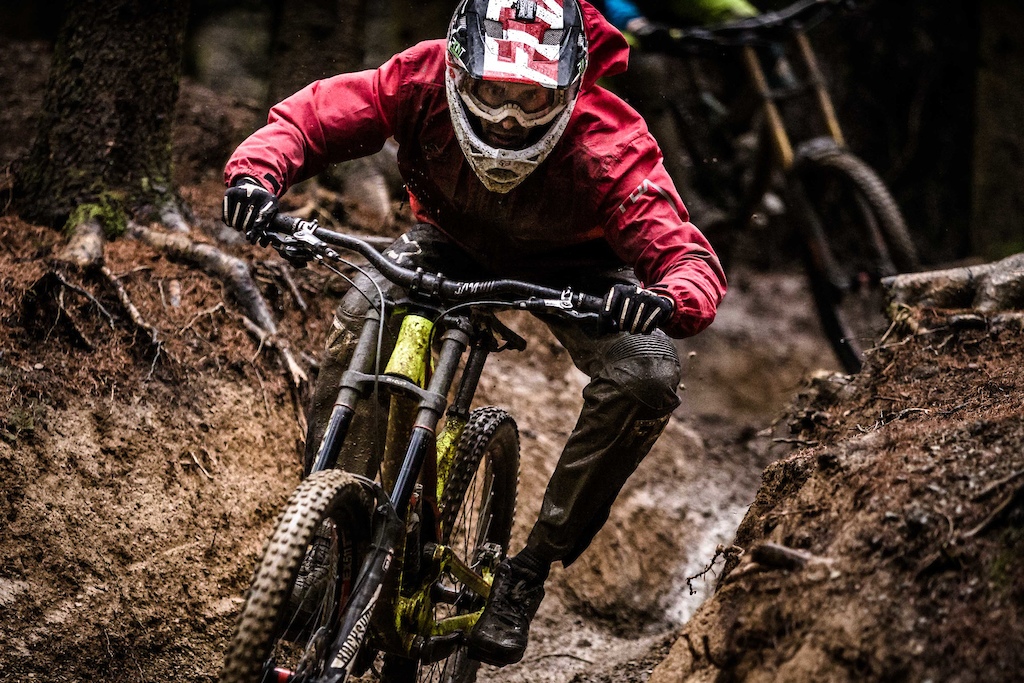
The athlete's eye view of a productive days training. The true elite riders, like Tahnee Seagrave, are able to channel and focus energy (cognitive, emotional and physical) throughout a long day of runs. Working within a framework set by a coach or working on key areas of performance defined and benchmarked in her own head. As you can see from the Instagram caption, DH is a thinking "man's" game.
DH is a thinking "man's" game
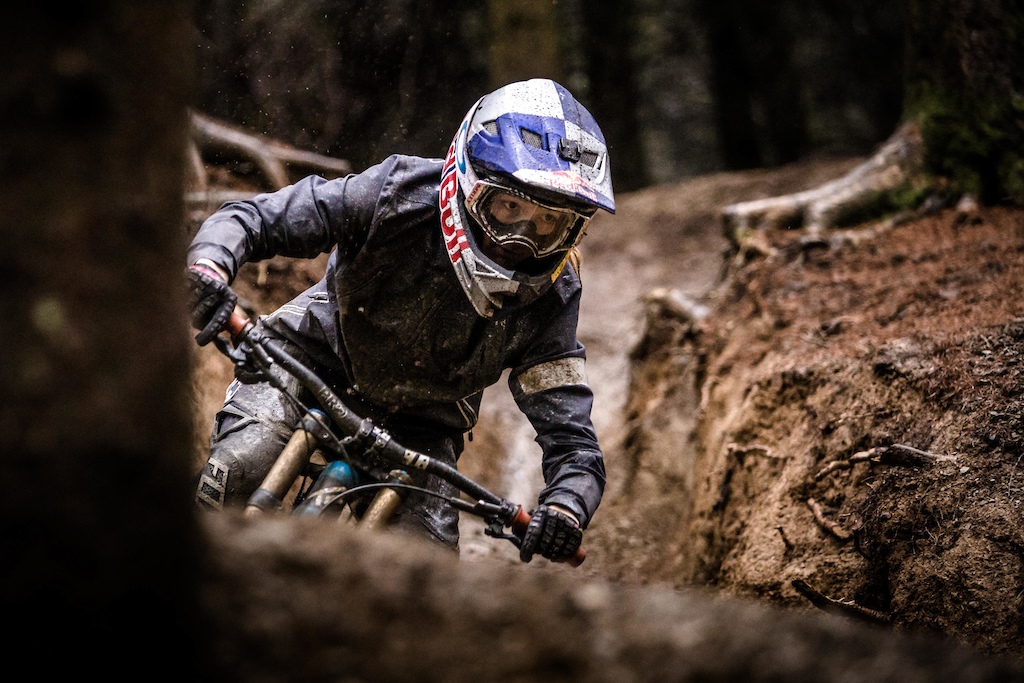
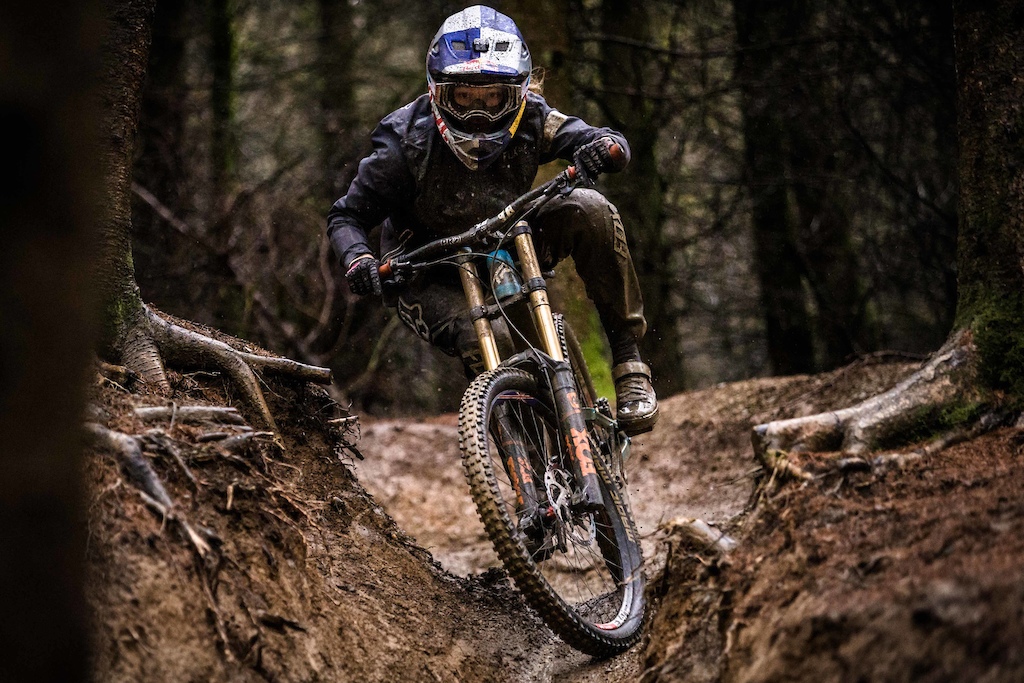
Wild moments under time pressure (the clock) often dish up the best topics to reflect on. How wild did you get? Why? Was it "race run" wild? Mixing subjective insight with objective data like timed runs or power testing can really help an athlete piece their own performance jigsaw together. Instinct should never be pushed aside.
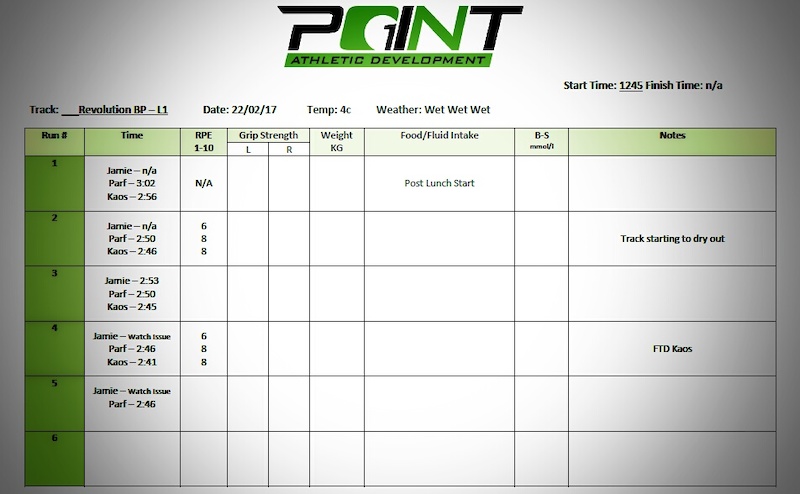
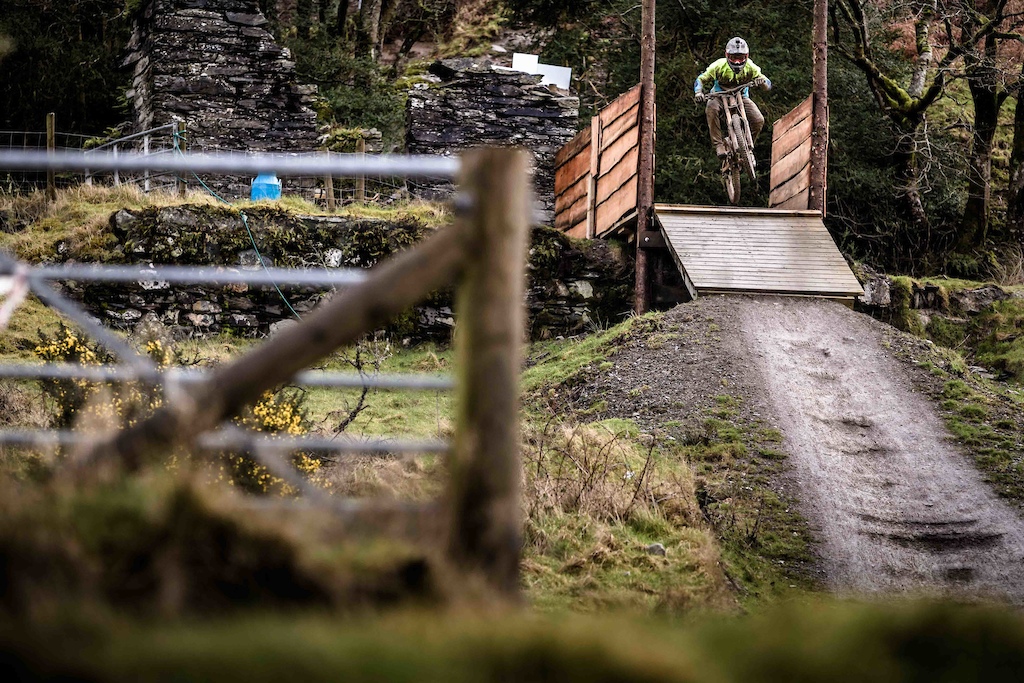
Objective knowledge of results drives performance to higher levels. There is nothing more effective than the stopwatch in creating just enough stress and pressure to push intent and focus to a level high enough to allow for learning and transfer of training.
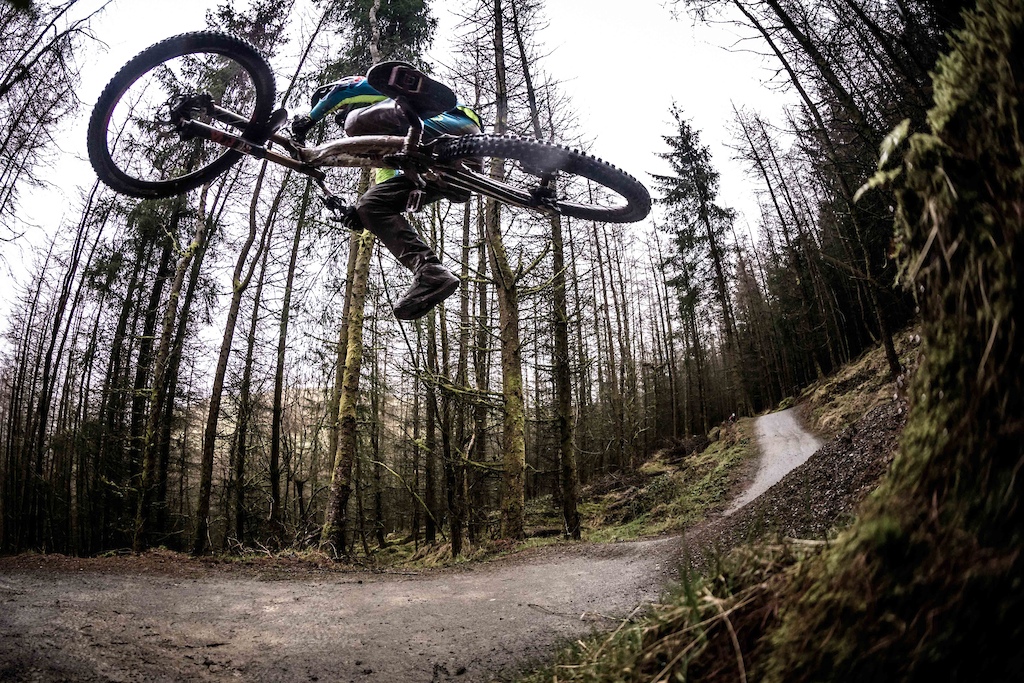
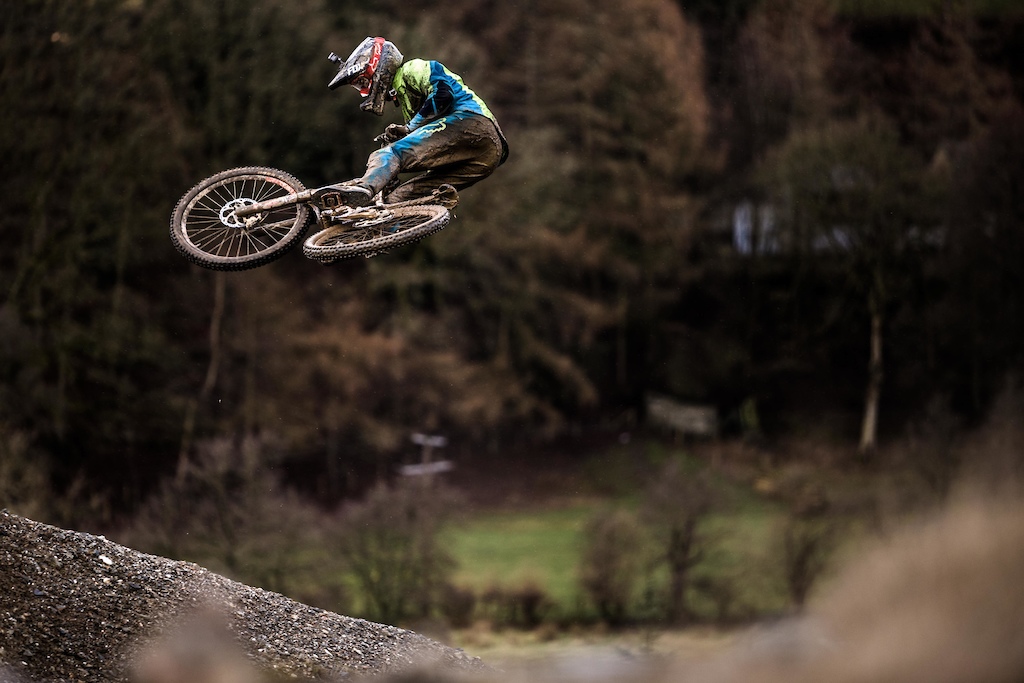
Once we had finished chatting lines, vision, position, direction and pacing it was time to get to business. The meat and bones of the day was timed runs. Two tracks, chosen by the athletes. One practice run of each. Then it was up to coach to choose the track to 'race' - 4 to 5 timed runs later and transfer of training was quantified.
Images by Dan Griffiths
MENTIONS: @FMD-Racing / @Point1Athletic / @moonheadmedia
Author Info:

 Morzine, France
Must Read This Week

I really like these kinds of articles. I feel like it touched on some cool topics like transfer issues and objectivity, but if I could get the answers that would be greeeaat.
Riding for fun is still 100% a big part of everything riders do; there's a lot less analysis in MTB than say Alpine skiing where you only get race quality tracks when "training" or racing. MTB is quite unique in that that fun element, the reason for doing what you do is there almost every week. It's partly the reason DH racers have such long careers compared to other sports!
As for all rides being analysed, it is probably more frequent during the lead up to World Cup season.
The best bodies are those of triathletes. Upper body from swim/lower from bike&run.
Usually its the roadies that have these easy to spot weird bodies
I am fascinated by the ability of a rider to ride in that 100% zone for a race run and not make mistakes. Things sharpen up and lines appear different at race pace, but I would like to learn more about 'all out' for the race run, vs. careful preparation on practice runs. (Fabien - "Optimum vs. Maximum")
Do you practice sections at race pace? Like top 3rd, then middle, then bottom third?
More articles on DH race prep or Enduro race prep!
I love spending time in the gym, and as the season gets closer, I move from low reps to higher reps and more explosive, endurance based work.
Love this article!